



Most gift wrap is torn off in seconds and thrown away. A well-chosen textile, however, can stay in use for years, becoming a scarf, pouch, storage wrap, or part of someone's daily ritual.
These sustainable gift wrapping ideas come from our Seattle studio, where designer Leigh Young has shaped hand-sewn faux fur accessories for more than 25 years. Each approach replaces single-use materials with plush textiles, plantable paper, upcycled media, or durable containers without losing the sense of occasion. You'll find practical materials, quick wrapping notes, styling ideas, sourcing alternatives, and the moments when each method works best.
Our team believes the most successful wrap is the one the recipient keeps. Begin with the Cozy Cable knits collection if you want a tactile textile to anchor your first presentation. You can also visit the Kunde tasting room for another thoughtful destination to keep in mind when planning a gift experience.
1. Furoshiki cloth wrapping as a timeless sustainable gift wrapping idea
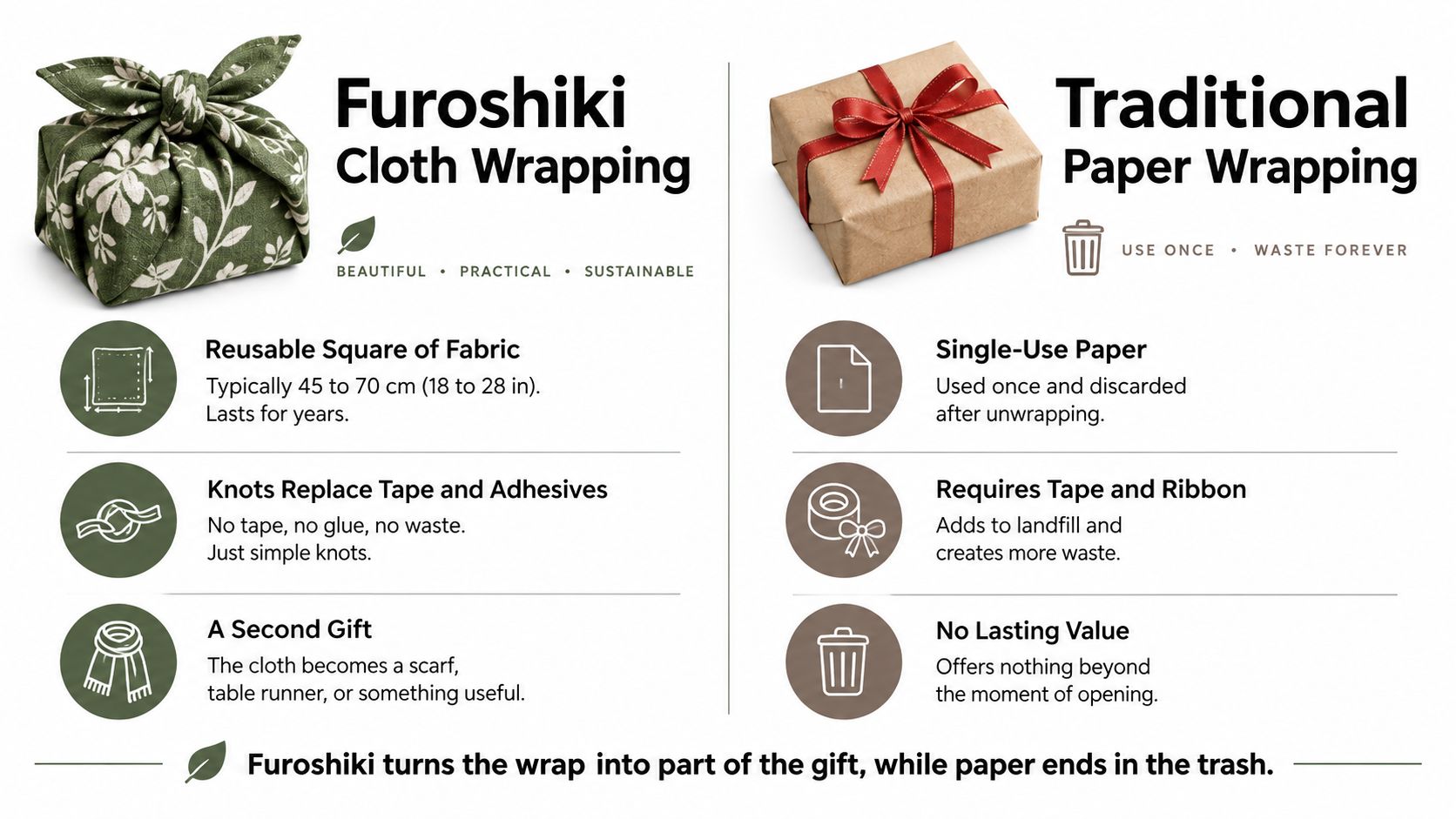
A square of cloth can wrap a box, bottle, book, or loose bundle without tape. Once the gift is opened, the textile remains useful, so the presentation becomes a second gift rather than a disposable layer.
Furoshiki works especially well with tactile materials. Soft, plush fabric forms gentle folds and a rounded silhouette, while a chunky, weather-resistant knit from your own wardrobe gives a winter present warmth and substance. Choose a square large enough to cover the object, often somewhere between 45 and 70 centimeters, and test the folds around a spare box first.
The recipient's next use should guide the fabric choice. A sturdy knit might become a wearable layer, a cushion cover, or a storage wrap. A lighter cloth suits delicate objects and folds more easily into a drawer.
Practical rule: The cloth becomes sustainable in practice when the recipient understands that it should stay in circulation.
Place the gift near the center, bring opposite corners together, and tie the remaining ends in a simple knot or soft bow. Add a handwritten note explaining what the cloth could become next. It might wrap another gift, protect a hat in a suitcase, cover a small plant pot, or cushion an object in storage.
Bottles need fabric with enough grip to hold the folds securely. For flat gifts, adjust the tension until the bundle feels neat without stretching or compressing the textile. Irregular shapes may need a second tie around the widest point.
Japanese wrapping traditions are often associated with respect for materials and avoiding waste. That care also shapes our approach to sustainable fashion accessories, where hand-sewn construction and useful longevity matter alongside appearance.
For a visual demonstration, watch this short furoshiki wrapping tutorial before trying a bottle or irregularly shaped gift.
2. Wrapping with scarves and hats
A scarf can cradle a bottle, journal, or jewelry box, while a hat can hold a smaller gift and become part of the present. The recipient keeps a useful textile or accessory after unwrapping, so the presentation does not become another disposable layer.
Lay the scarf flat and place the gift near its center. Fold the edges over the object, then bring the ends together in a simple knot or soft bow. A velvety, silky scarf suits a formal exchange. Plush knit feels warmer for a winter birthday or a cozy holiday gathering.
A rich-toned printed scarf turns the outer layer into a vibrant visual statement. The prints in our Fractal Collection provide decoration without glitter, foil, or a large paper bow. Choose a fabric with enough body to stay in place, but avoid tight folds that could crease delicate silk.
For a smaller gift, a hand-sewn pillbox or cloche can hold chocolates, jewelry, gloves, or a handwritten card. Present the hat in its own sturdy box for a slower reveal, then encourage the recipient to keep the box for later storage. That gives them a second keepsake as well as a wearable accessory.
Let the accessory fit the person
A wrap that becomes a gift should still feel personal. Select a scarf in a color the recipient already wears, or choose a hat shape that suits their wardrobe and daily routine.
Our custom sizing options help when a standard hat will not provide the right fit. Bespoke sizing makes the presentation more considered for someone between sizes or looking for a particular proportion.
A scarf can be folded into the hat for a layered opening. The recipient sees the textile first, then finds the smaller object tucked inside. Add a short note with one practical suggestion for wearing or storing each piece.
The most memorable wrap gives the recipient a reason to use it again soon. Our guide to silk summer scarves shows how a scarf can work beyond a single season. That versatility makes this a practical sustainable gift wrapping idea.
3. Reusable fabric gift bags and drawstring pouches
Reusable fabric bags fit naturally into existing gift-giving habits. A drawstring pouch or structured tote can hold the present, then move into everyday life as a travel bag, storage container, or small accessory case.
For a cruelty-free luxury presentation, choose a bag with a substantial hand and a carefully finished opening. Our handbag collection includes plush vegan fur textures that make the container feel like a boutique treasure rather than an afterthought.
Keep several sizes together in a dedicated gift box or closet shelf. A small pouch works for jewelry and candles, a medium bag suits folded accessories, and a larger tote can hold clothing or home textiles. Matching the bag to the object prevents excess fabric from bunching around the gift.
Give the second use a clear beginning
Recipients are more likely to reuse a wrap when its next purpose is obvious. Add a small tag that reads, “Please keep and reuse,” then suggest one practical use on the reverse.
- For travel: Use the pouch for chargers, cosmetics, or delicate accessories.
- For storage: Keep ribbons, sewing notions, or pet accessories inside.
- For future gifting: Return the empty bag to the household gift stash.
A weather-resistant finish works well for gifts that will travel outdoors in cold weather. Avoid overly complicated closures or fragile embellishment. A bag should be easy to open, clean, fold, and store.
Our custom apparel packaging perspective is simple. Packaging should protect the object without competing with it, and it should have a sensible life after delivery.
For an especially rich presentation, skip tissue paper and place a folded cloth inside the bag. The recipient sees texture first, then discovers the gift nested within.
4. Seed paper wrapping that can be planted
Seed paper gives the recipient a small garden project after unwrapping. Paper fibers hold embedded seeds, so the sheet can become a plantable tag, a visible outer layer, or a keepsake for someone who grows herbs, wildflowers, or windowsill plants.
Its texture comes with a trade-off. Seed paper is more delicate than ordinary wrapping paper, so reserve it for small, flat, or lightly wrapped gifts. For a textile present, protect the item with a soft inner layer, then use the seed paper as the outer wrap or an oversized tag.
A silky scarf from our scarf collections creates a pleasing contrast with the paper's dry, handmade surface. Fluid fabric and fibrous paper make the parcel feel tactile before the gift is opened.
Make planting easy to understand
Add a brief guide with plain directions. State whether the recipient should cover the paper with a thin layer of soil, keep it moist, and place it according to the seed blend's needs. Clear instructions turn a pretty wrapper into a practical second gift.
Choose seeds for the recipient's climate, not appearance alone. An experienced gardener may enjoy a particular blend, while a new grower may prefer a forgiving herb or a clearly labeled wildflower mix.
The paper can take several forms:
- Use it as a tag: The simplest option, and the one that keeps the paper's shape intact.
- Layer it over cloth: A fabric base supports the sheet and protects it during unwrapping.
- Pair it with a plant: The wrap becomes part of a small gardening ritual.
Seed paper suits wedding favors, spring birthdays, and gifts for friends who spend time outdoors. It also gives a handwritten message a useful afterlife, since the note can become part of the planting experience.
Our guide to sustainable gift ideas includes other ways to make a present feel personal and lasting. The strongest presentation gives the recipient a clear next use, rather than treating plantable paper as decoration alone.
5. Upcycled print media wrapping with maps, sheet music, and newspapers
Old maps, sheet music, vintage magazines, and newspapers can become distinctive gift wrap without buying a new printed design. Each sheet already carries a story, giving the recipient a personal connection before the package is opened. Afterward, the paper can be saved for collage, journaling, or another wrapping project.
Choose a sheet with a clear graphic layout and enough strength for the gift. A map suits a traveler, sheet music works for a musician, and a vintage magazine page can complement someone interested in fashion, interiors, or design. Match the subject to the person receiving the gift, so the paper feels selected rather than merely available.
Avoid heavily glossy or laminated material if you expect to recycle the paper afterward. Clean, uncoated sheets separate more easily from ribbons, tape, and other wrapping components.
Add one refined textile detail
Upcycled paper has a naturally casual finish. A tactile accent gives the parcel more polish without adding a disposable decoration. Tie it with velvet ribbon, silky cord, or a narrow strip of leftover knit or velvet. Our Cozy Cable knits can also sit over the printed sheet as a textured band.
Graphic paper brings crisp lines and visual movement, while knit or velvet adds softness and depth. Leave one strong section of the print visible on top, rather than covering the page with layers of decoration.
- Store sheets flat: Creased paper can split at the corners during wrapping.
- Choose a reusable tie: Fabric ribbon or cord can return to the gift stash.
A journal wrapped in sheet music makes a thoughtful pairing for a musician. A travel accessory wrapped in a map of a meaningful place creates a similar connection. The recipient keeps the textile tie, while the printed sheet may find a second life in a notebook, collage, or future parcel. This approach suits gifts chosen with care, especially when the presentation should feel personal rather than assembled from whatever was closest.
6. Reusable keepsake boxes, tins, and hatboxes
A sturdy container can become part of the home long after the gift is opened. Hatboxes hold millinery beautifully, but they can also store letters, jewelry, ribbons, pet treats, or seasonal accessories. Tins suit smaller objects, while rigid boxes create a layered reveal for larger gifts.
For a plush finish, place a folded textile inside the container or drape a soft layer over the lid. Our Tissavel faux fur throws bring a velvety, substantial texture that can later settle over a sofa or reading chair.
A keepsake box works particularly well for maximalist and hygge interiors. Choose a color that belongs in the recipient's room rather than relying on novelty holiday decoration. The container should look at home once the ribbons are gone.
Build the reveal in layers
Place the main gift inside the box, then add a smaller tactile detail on top. A folded scarf, hand-sewn ornament, or handwritten card can slow down the opening without adding disposable filler.
Pet parents can use the same method for a practical and beautiful presentation. Tuck a bed, accessory, or reversible coat into a rigid container, then explore our pet essentials for pieces designed for furry family members.
A useful container earns its place by solving a storage problem after the celebration.
Our guide to luxury gift boxes reflects the same principle. The box should protect the gift, support the ritual, and remain useful without requiring a second purpose invented on the spot.
You can also browse box and papers watches for another example of presentation built around a lasting container.
7. Kraft paper, natural twine, and plastic-free tape
Kraft paper and natural twine suit a long holiday gift list. The finish feels warm and handmade, especially when you write the recipient's name directly on the parcel and add one tactile detail they can keep.
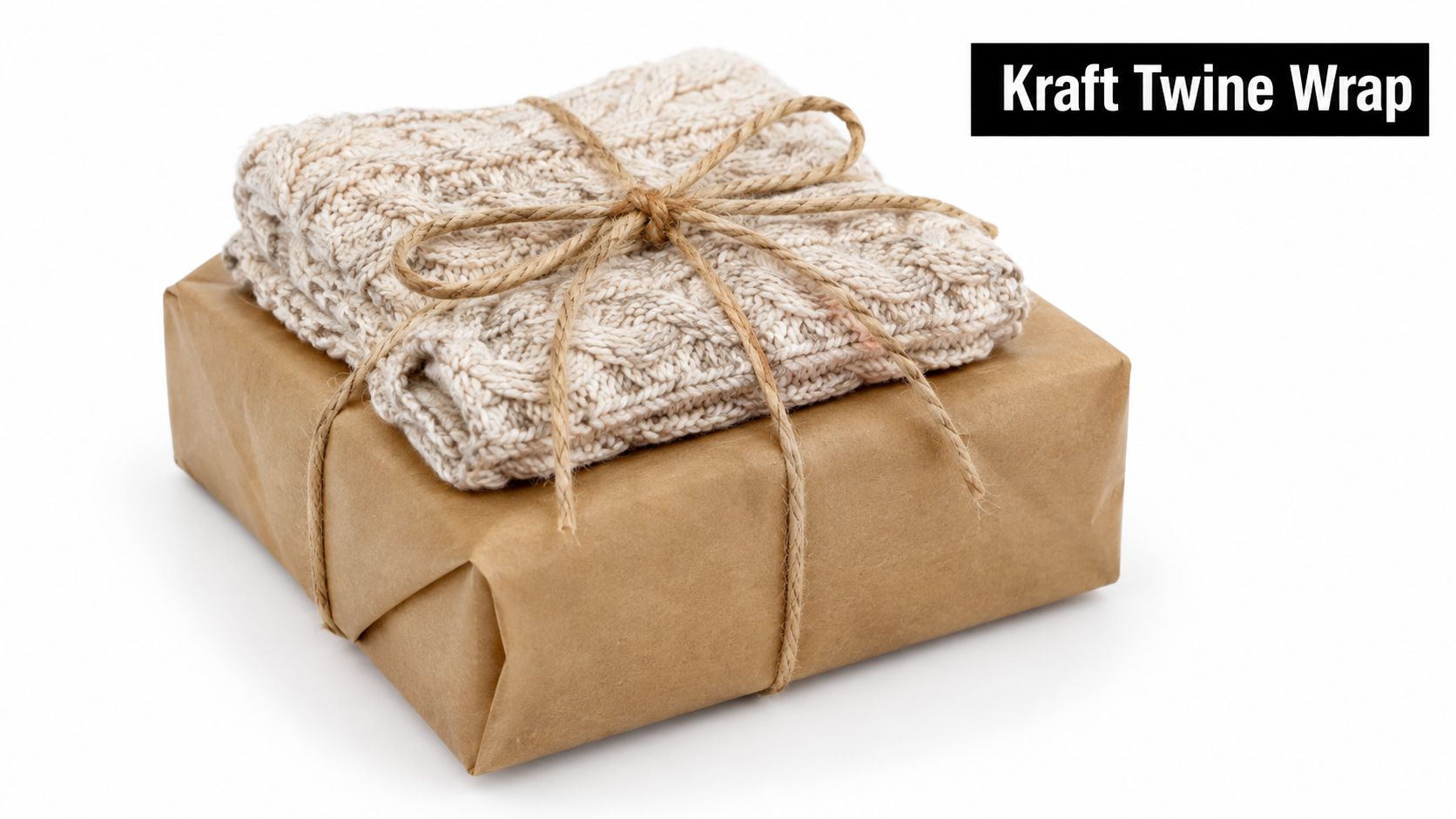
Choose plain kraft paper without glitter, foil, metallic film, or plastic coating. Close it with paper tape or washi-style tape instead of cellophane tape, then tie the twine in a simple knot that can be removed without tearing the paper.
A narrow strip of knit or velvet softens the spare presentation. Fold it around the parcel as a small band, or tuck it beneath the twine for warmth and texture. The recipient can reuse the textile detail as a small wrap, trim, or craft material.
Check the local recycling rules
Recyclability depends on both the material and the local facility. The U.S. Environmental Protection Agency's recycling guidance advises checking local requirements, since shiny or laminated coatings often make wrapping paper unacceptable in curbside programs. It also recommends reusing gift bags and tissue paper, while decorative boxes can replace disposable paper.
Seattle accepts plain wrapping paper without foil, glitter, or plastic coating, along with flattened cardboard boxes and cardboard tubes. Its program excludes tissue paper, ribbons, bows, glitter, bubble wrap, plastic film, foam, and gift bags decorated with foil or glitter, as described in Seattle's holiday recycling guidance.
Before recycling, remove tape, ribbons, bows, and small scraps. Household recyclables must be empty, clean, and dry. Seattle also requires items to be larger than 3 inches, because smaller pieces can fall through sorting equipment, according to the city's at-home sorting instructions.
In Seattle, keep the parcel larger than 3 inches on every side so it survives the sorting line. For further household packaging ideas, consult this guide to refill systems for households.
8. Upcycled fabric scrap bows and reusable textile ribbon
A fabric bow gives sewing remnants a second life while replacing plastic ribbon. Velvet, silk, cotton, faux fur trim, and leftover textile strips each create a different finish, from polished and glossy to soft and homespun.
For a formal gift, try a bow from a velvet offcut. Cut a strip about 5 to 8 centimeters wide, form two loops, pinch the center, and secure it with a small stitch or a folded band. A rich-toned velvet or printed scrap can become the focal point of a simple package, especially against plain kraft paper or a solid-colored box.
A knit strip suits a casual parcel. Its slight stretch makes a relaxed, tactile bow, while faux fur trim adds volume to a winter gift. Keep the material proportionate to the box, since a large, heavy bow can overwhelm a small package and may be harder for the recipient to store.
Attach the bow with a short cord or hidden stitch rather than permanent adhesive. The recipient can remove it without damaging the wrap, then use the textile as a hair accessory, brooch, bag ornament, or trim on another gift.
Make the bow part of the next use
Sort fabric remnants by color, weight, and texture so future bows are easy to assemble. A narrow offcut can work beautifully when its edges are clean and its center is secured firmly. Avoid adhesive that leaves residue, particularly on velvet or knit.
At Pandemonium Millinery, hand-sewn work naturally creates remnants that can be saved for small details. The same care used to shape velvet, faux fur, and knit millinery pieces can make a narrow offcut feel deliberate rather than leftover.
Fabric ribbon earns its place when the recipient will keep and reuse it. Make the bow removable, durable, and attractive enough to become part of the next gift, accessory, or package.
8-Option Sustainable Gift Wrapping Comparison
| Item | Implementation Complexity 🔄 | Resource Requirements ⚡ | Expected Outcomes 📊 | Ideal Use Cases 💡 | Key Advantages ⭐ |
|---|---|---|---|---|---|
| Furoshiki Cloth Wrapping | Low–Medium, basic folds/knots; short practice needed | Square cloth (45–70 cm); luxury knit optional; reusable | High waste reduction; wrap becomes part of gift; durable | Boxes, bottles, books, irregular shapes; gift-as-textile | Elegant, reusable, tactile presentation |
| Wrapping with Scarves and Hats | Low, simple folding/tying; no tape required | Wearable accessory (scarf or hat); may need custom sizing | Eliminates packaging; recipient receives wearable gift | Wearable gifts, intimate/personal presents, seasonal (winter) | Zero packaging waste; memorable unboxing; dual-purpose gift |
| Reusable Fabric Gift Bags & Pouches | Low, insert gift and secure drawstring; minimal skill | Drawstring pouches, totes in cotton/linen/velvet/faux fur; storage space | Moderate–High reuse; quick to wrap; long-lived utility | Gifts of varied sizes; travel or storage-oriented recipients | Practical, quick, durable; wide style range |
| Seed Paper Wrapping | Low, gentle wrapping and planting process; fragile handling | Seed-embedded recycled paper; recipient needs soil/sunlight to plant | Plantable outcome if planted; whimsical and memorable | Gardeners, nature lovers; small/flat gifts; tags/accents | Plantable, recycled, creates living keepsake |
| Upcycled Print Media (maps, sheet music, newspaper) | Low, standard wrapping technique; creative selection | Existing printed media; avoid glossy/ coated inks for recyclability | Low-cost reuse; personal storytelling; variable recyclability | Travel-themed gifts, music lovers, budget-friendly wrapping | Highly personal, inexpensive, diverts paper from waste |
| Reusable Keepsake Boxes, Tins & Hatboxes | Medium, coordinate size/finish; more planning | Sturdy boxes/tins/hatboxes; higher upfront cost and storage needed | High longevity; becomes decorative storage or keepsake | Luxury items, home décor gifts, pet-focused presents | Reusable, decorative, premium presentation |
| Kraft Paper, Natural Twine & Plastic-Free Tape | Very Low, standard wrapping with recyclable materials | Unbleached kraft paper, natural twine, paper tape; widely available | Low cost; recyclable/compostable when clean; scalable | Everyday gifts, bulk holiday wrapping, budget-conscious | Affordable, recyclable, easy to customize |
| Upcycled Fabric Scrap Bows & Reusable Textile Ribbon | Low–Medium, simple sewing or hand-tying; basic skills | Fabric offcuts (silk/velvet/faux fur); small scrap stash | Zero-waste embellishment; reusable accessory for recipient | Handmade gifts, craft-minded recipients, boutique packaging | Bespoke finish, uses scraps, repurposable keepsake |
Let the wrap become the keepsake
The best sustainable gift wrapping ideas ask one practical question: what remains after the opening? A plush throw can settle over a sofa, a scarf can become part of a daily wardrobe, a hatbox can hold letters, and a sturdy tin can return each season with another small treasure inside.
Packaging waste is a large-scale issue, not just a matter of holiday aesthetics. The European Union generated an estimated 83.4 million tonnes of packaging waste in 2022, and packaging waste per inhabitant increased 18.7% between 2011 and 2022, according to Eurostat's packaging waste data. Paper and cardboard represented the largest material category, which makes reducing single-use paper especially relevant.
Recycling still matters, but reuse should come first when the object can remain useful. A 2024 survey of 600 U.S. adults found that 87% planned to reuse gift bags, ribbons, or wrapping paper, while 60% said they would recycle wrapping materials, according to the reported ALPLA survey findings. Those behaviors support a wrapping system built around sturdy boxes, fabric wraps, removable labels, and ribbons that can be untied rather than cut.
There's also a practical gap between wanting reusable packaging and continuing to use it. One cited consumer study found that 85% of people wanted products in reusable packaging, while only 16% participated in reusable-packaging systems. The related research describes barriers including convenience, quality, safety, cost, and confidence in environmental claims, as detailed in the reusable-packaging study.
That's why we favor wraps with a clear second life. A sewn pouch should have a useful size. A textile ribbon should be easy to remove. A box should solve a storage need. A scarf or hat should suit the person receiving it.
At Pandemonium, our local Seattle studio works in velvet, faux fur, knit, and other luxury textiles every day. Our small-batch, hand-sewn approach reflects Leigh Young's 25+ years of design experience, while our cruelty-free luxury focus offers high-end faux fur as an ethical alternative to animal product. We also offer custom sizing and “your fabric, our expertise” services for gifts that need a more personal fit.
Start with one wrap this season, then build a small reusable stash. Keep velvet offcuts in a pouch, fold fabric squares with your scarves, and save a sturdy hatbox for the next meaningful exchange. Join The Crowd, our email list, for 15% off, explore the Fractal Collection, and read about the evolution of fur and faux fur garments for more on the materials behind our work.
Pandemonium Millinery creates hand-sewn faux fur accessories, scarves, hats, home décor, and pet essentials in small batches at our Seattle studio. For a gift that becomes part of someone's wardrobe or home, visit Pandemonium Millinery and explore custom sizing, cruelty-free luxury, and our “your fabric, our expertise” services.


